
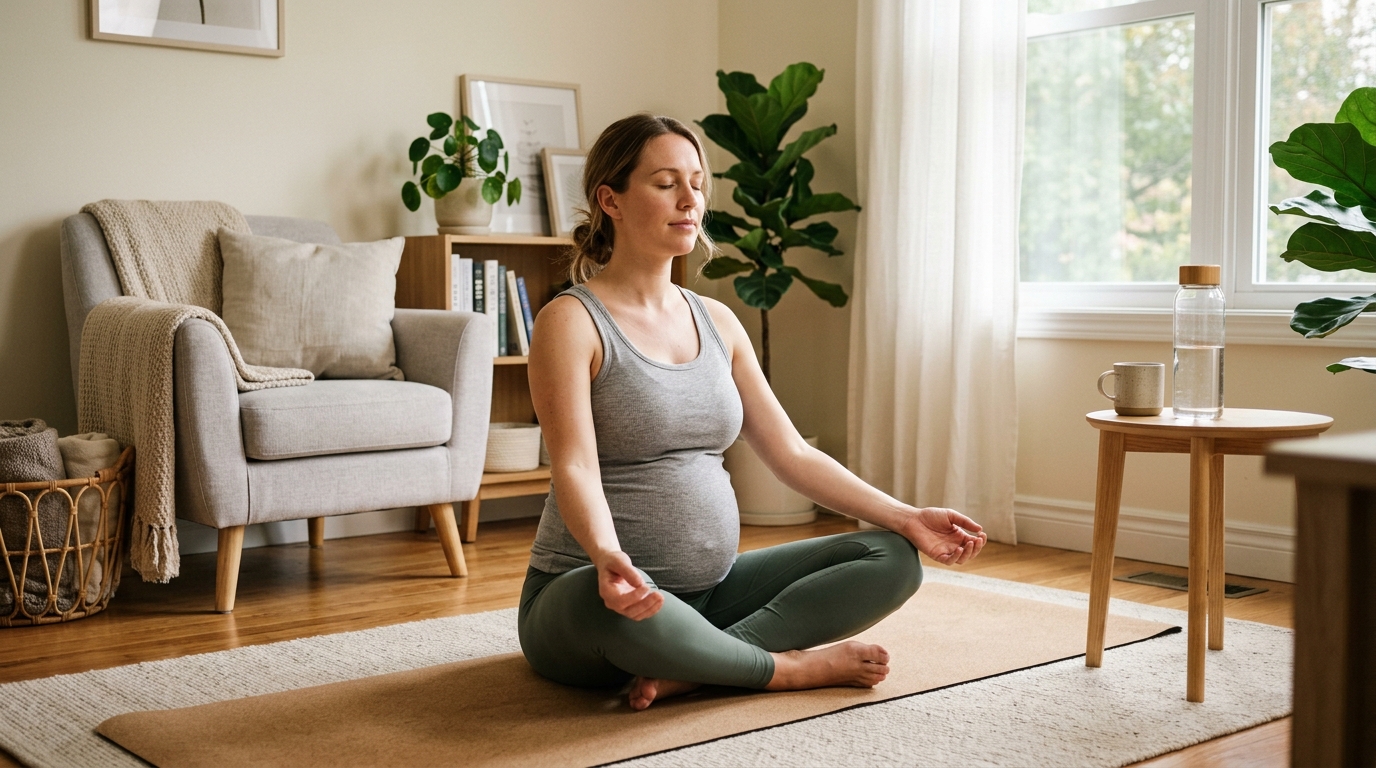
Prenatal movement in pregnancy is becoming one of the biggest comfort conversations for expecting mothers in 2026. Not because every mom needs a perfect workout plan, matching activewear, or a long list of rules, but because many women want to feel more at home in a body that changes week by week. Movement can be as simple as a slow walk, gentle stretching, light strength work, breathing practice, or learning how the pelvic floor supports daily comfort.
This guide is not medical advice, and it is not meant to replace your doctor, midwife, or qualified health provider. Every pregnancy is different. Some moms feel strong and mobile. Others deal with nausea, fatigue, pain, bed rest, complications, or a schedule that makes movement feel impossible. The goal is not pressure. The goal is to understand how prenatal movement in pregnancy can become a calm, realistic part of everyday life when your provider says it is safe.
If you are still early in pregnancy, it may help to pair this topic with our first prenatal visit checklist so you can ask your provider what kind of movement fits your body, symptoms, and pregnancy stage.
Why Prenatal Movement Is Trending in 2026
Expecting mothers are no longer only asking, “Can I exercise?” They are asking better questions: What helps my back feel better? How do I move safely when my energy changes? Should I think about pelvic floor support before birth? What kind of routine is realistic when I am tired, working, caring for other children, or trying to sleep better?
That is why prenatal movement in pregnancy has become more than a fitness topic. It now sits inside a bigger conversation about comfort, emotional steadiness, pelvic health, birth preparation, and postpartum recovery. Many moms want support that feels practical instead of intense. They want movement that respects real pregnancy symptoms, not routines designed for someone else’s body.
The CDC says pregnant and postpartum women should aim for at least 150 minutes of moderate-intensity aerobic activity each week when they are healthy and cleared to move. You can read the CDC’s pregnancy and postpartum activity guidance here: CDC physical activity guidance for pregnant and postpartum women. For many moms, that does not mean doing everything at once. It can mean small sessions spread across the week.
Start With Your Provider, Not Social Media
Social media can make pregnancy movement look polished, fast, and confusing. One video says to do squats. Another says to avoid them. One creator talks about pelvic floor work. Another shows a full-body strength routine. The problem is not that every video is wrong. The problem is that social media does not know your pregnancy history.
Before starting or changing a routine, ask your provider what is safe for you. Mention your symptoms, past injuries, bleeding, dizziness, pain, placenta concerns, blood pressure, previous pregnancy complications, and current activity level. If something feels uncomfortable, sharp, heavy, or worrying, stop and ask for guidance.
Keep the Goal Small and Repeatable
A strong prenatal routine does not need to be dramatic. A ten-minute walk after breakfast, a few gentle stretches before bed, or simple breathing practice during a lunch break can be more useful than a plan you cannot maintain. The best routine is usually the one you can repeat without dread.
If tracking helps, use your phone calendar or a simple note. If tracking makes you anxious, skip it. Our guide to pregnancy apps in 2026 may help you use digital tools without turning pregnancy into a performance project.
Gentle Walking Is Still a Strong Foundation
Walking remains one of the easiest ways to begin prenatal movement in pregnancy because it requires no special equipment, can be adjusted to your energy, and works for many fitness levels. You can walk around the house, around the block, inside a mall, near your workplace, or wherever you feel safe and comfortable.
The key is to treat walking as support, not punishment. You do not need to chase a perfect step count. A slow walk still counts. A shorter walk on a tired day still counts. Even standing up, changing position, and moving gently can help you reconnect with your body when pregnancy feels heavy.
Use Comfort as Your Best Feedback
Comfort matters during pregnancy. Wear breathable clothes, supportive shoes, and a bra that does not dig into your ribs. Bring water. Choose shaded or indoor routes when it is hot. If your belly feels unsupported, ask your provider whether a belly band may help. Our post on building a small maternity wardrobe can also help you think about clothes that move with your body.
Pay attention to warning signs. Stop and contact your provider if you notice concerning symptoms such as chest pain, dizziness, severe shortness of breath, calf swelling or pain, regular painful contractions, vaginal bleeding, fluid leakage, or anything that feels wrong for your body.
How to Build a Gentle Movement Routine That Fits Real Life
The best prenatal movement plan is not the most impressive one. It is the one that fits your trimester, energy, schedule, support system, and provider’s advice. Some weeks may feel easy. Other weeks may feel slow. Pregnancy is not a straight line, so your routine should have room to change.
Think of your movement plan like a comfort menu. You can choose from walking, stretching, light strength, prenatal yoga, swimming, breathing, posture resets, or pelvic floor awareness. You do not need to do every option. Pick what helps you feel steady without leaving you drained.
Pelvic Floor Awareness Is Becoming More Mainstream

Pelvic floor conversations are growing because many moms want to understand what supports the bladder, bowel, core, hips, back, and birth recovery. Pelvic floor awareness is not only about squeezing muscles. It can also include learning how to relax, breathe, coordinate, and notice tension.
If you are dealing with leaking, pelvic pressure, pain, heaviness, or fear around birth recovery, ask your provider if a pelvic floor physical therapist is appropriate. This kind of support can be especially helpful when you want personalized guidance instead of guessing from short videos online.
Try the 10-Minute Rule
On low-energy days, try ten minutes. Ten minutes of walking. Ten minutes of stretching. Ten minutes of breathing with your feet elevated. Ten minutes of gentle shoulder rolls and hip circles. If you feel better, continue a little. If you still feel tired, stop and count it as care.
This keeps prenatal movement in pregnancy emotionally gentle. It removes the all-or-nothing mindset. You are not failing because you adjusted. You are listening, and listening is one of the most important pregnancy skills you can build.
Make Recovery Part of the Plan
Movement and rest belong together. If you walk more one day, you may need a calmer evening. If you do light strength work, you may need better hydration, a snack, or an earlier bedtime. Our pregnancy sleep comfort guide can help you create a softer routine when your body needs more recovery.
It is also smart to think beyond birth. The habits you build now can support the fourth trimester, when your body is healing and your daily rhythm changes again. For gentle planning, read our fourth trimester plan before baby arrives.
Final thought: prenatal movement in pregnancy should feel supportive, not stressful. Start with your provider. Keep your goals small. Choose comfort over comparison. Let walking, stretching, breathing, and pelvic floor awareness become tools for feeling more connected to your body. You do not need to move perfectly. You only need a gentle plan that respects the season you are in.