
Pregnancy heat safety is becoming a more important everyday topic in 2026 because hot weather can affect comfort, energy, sleep, movement, appointments, and simple routines. Pregnancy already asks more from your body. When summer heat, humidity, wildfire smoke, poor air quality, or long errands are added, even ordinary days can feel heavier than expected.
This guide is not medical advice. Your doctor, midwife, or qualified health provider should guide your care, especially if you have symptoms, health conditions, or concerns about heat exposure. Think of this as a gentle lifestyle guide for planning warmer days with more awareness, more rest, and fewer “I should have packed that” moments.
Hot weather does not mean you have to hide indoors all season. It does mean you may need a softer rhythm. That can include checking the forecast before errands, choosing breathable clothing, keeping water nearby, planning outdoor time earlier in the day, resting before you feel completely drained, and asking your provider what warning signs matter for your pregnancy.
Why Pregnancy Heat Safety Matters More During Hot Weather
Pregnancy can change the way your body handles heat. You may feel warm faster, sweat more, need more fluids, or feel tired sooner than usual. Some people notice swelling, lightheadedness, headaches, or sleep trouble when the weather gets hotter. Others feel fine most of the time but suddenly struggle during errands, crowded events, long car rides, or outdoor walks.
The CDC explains that pregnancy can make people more likely to get heat exhaustion, heat stroke, or other heat-related illness sooner than people who are not pregnant. This is partly because the body is working harder to cool both you and your developing baby. Pregnancy can also make dehydration more likely, which can make it harder for the body to cool itself.
This is why heat safety belongs in the same gentle planning category as prenatal appointments, sleep comfort, movement, and everyday routines. It does not need to feel scary. It simply deserves attention. If you are already preparing questions for your care team, you may also like the first prenatal visit checklist for expecting moms. It can help you organize practical questions before appointments.
Heat can affect comfort before it feels like an emergency
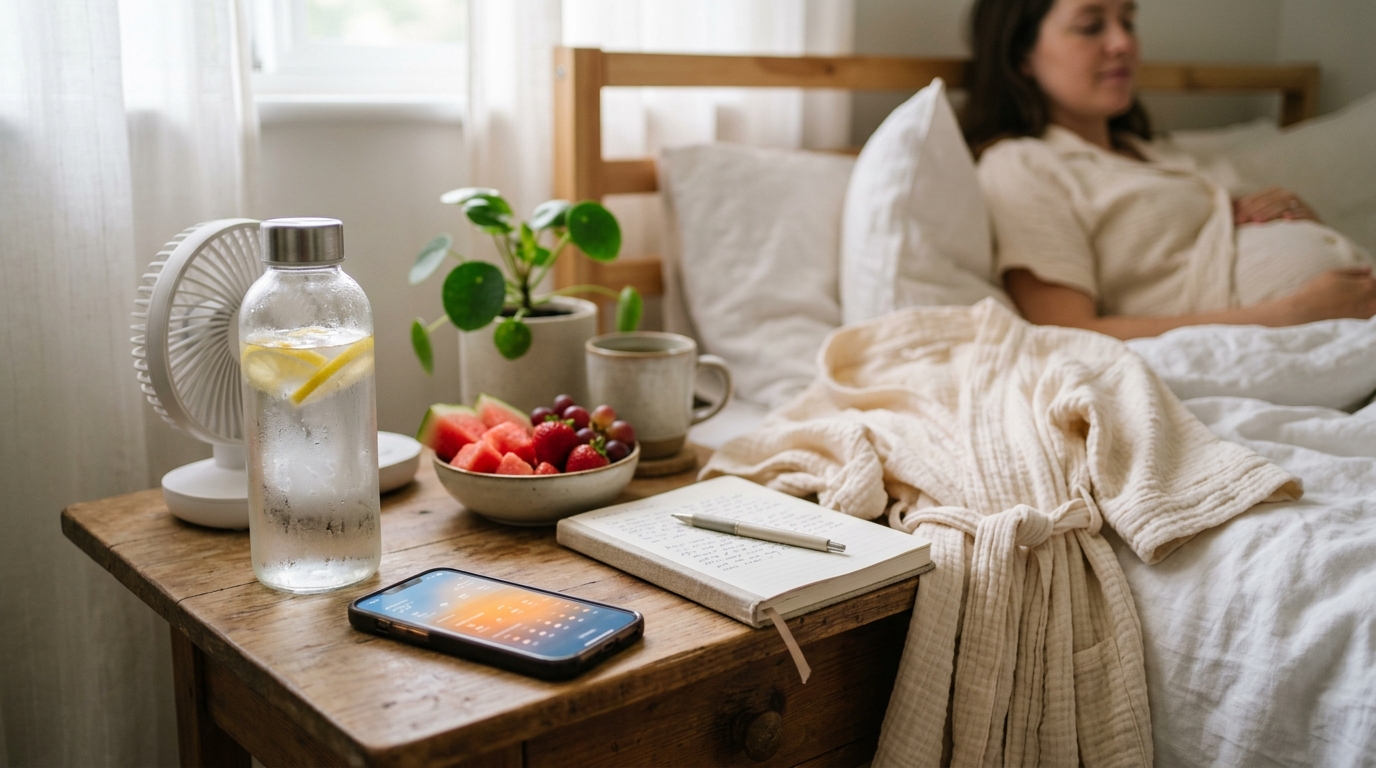
One reason heat can sneak up on expecting moms is that discomfort may begin quietly. You may feel a little more tired, slightly dizzy, unusually thirsty, or more swollen than usual. You may think you only need to “push through” one more errand. But pregnancy is not the season for ignoring your body’s early signals.
A gentle heat routine starts before you feel overheated. Drink water before leaving home. Bring a bottle even for short errands. Wear loose, breathable layers. Choose shaded parking when possible. Schedule outdoor activity during cooler hours. Give yourself permission to stop, sit, cool down, or reschedule.
It can also help to use a pregnancy app or phone note for simple weather planning. You do not need to track every detail. You can simply add reminders like “bring water,” “avoid midday errands,” or “ask provider about swelling in heat.” For a calmer approach to digital tracking, read pregnancy apps in 2026.
Watch for signs that your body needs a break
Common heat-related warning signs can include dizziness, heavy sweating, weakness, headache, nausea, fast heartbeat, confusion, fainting, or feeling unusually hot. During pregnancy, you should take symptoms seriously and contact your provider or seek urgent help if something feels wrong, symptoms do not improve with cooling and fluids, or you have severe symptoms.
The point is not to panic over every warm afternoon. The point is to respond early. Move to a cooler place. Drink fluids if your provider has not restricted them. Loosen tight clothing. Rest. Ask for help. If you are alone and symptoms feel concerning, call someone instead of trying to handle everything quietly.
Air quality can matter on hot days too
Hot days can also come with poor air quality, ozone, smoke, or heavy pollution. This matters because breathing can already feel different during pregnancy, especially later on. If your area has wildfire smoke or poor air quality, check local alerts before outdoor movement, long walks, or errands.
A simple habit is to check both temperature and air quality before planning the day. If the heat index is high or air quality is poor, choose indoor tasks, light stretching, rest, or a shorter outing. Keep windows closed if smoke is present, use filtered air when available, and ask your provider what precautions fit your health history.
Hydration, clothing, and rest can make summer feel more manageable
Pregnancy heat safety often comes down to small choices repeated throughout the day. You do not need a perfect routine. You need a realistic one. Keep water where you already spend time: bedside table, car, work bag, stroller basket, kitchen counter, or desk. Add snacks if you get lightheaded when you go too long without eating.
Clothing also matters. A small maternity wardrobe with breathable basics can make hot days easier. Soft dresses, loose tops, stretchy shorts, comfortable bras, supportive sandals, and lightweight layers can help your body feel less trapped. If you are building a practical wardrobe, the guide on building a small maternity wardrobe that grows with you may help.
Rest is not laziness. It is part of taking care of your body. Hot weather can drain energy faster, and pregnancy can already make ordinary tasks feel more demanding. A short rest before an appointment, after a grocery trip, or between work tasks can prevent the day from becoming overwhelming.
Choose breathable maternity pieces over complicated outfits
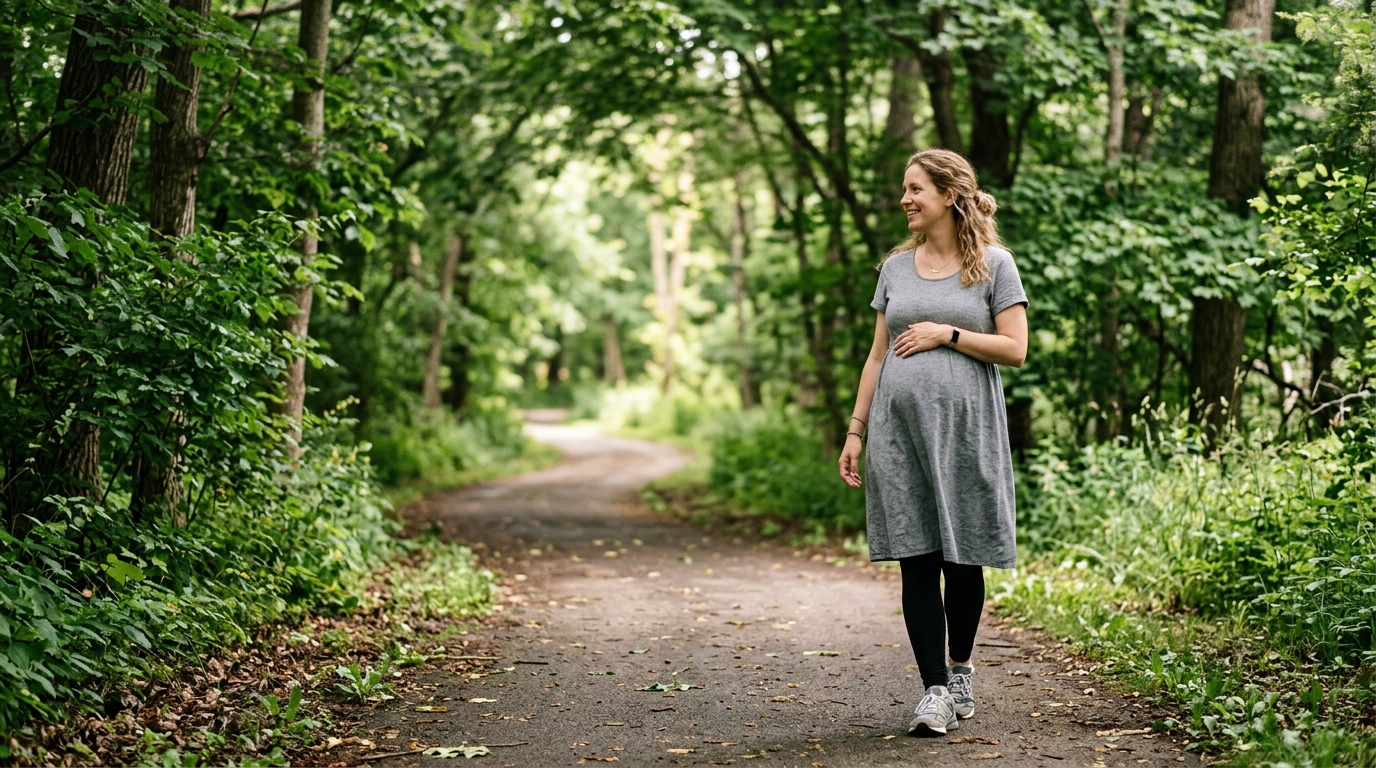
Summer pregnancy style does not need to be elaborate. Choose clothes that help you move, breathe, and cool down. Natural-feeling fabrics, loose silhouettes, bump-friendly waistbands, and simple layers are often easier than tight or structured outfits. Comfort should come before trying to look “put together” every second.
If you work outside the home, keep a backup layer or extra shirt nearby. If you are going to an event, bring comfortable shoes and plan where you can sit. If your body changes quickly, do not feel guilty about repeating the same few outfits. A small rotation that works is better than a closet full of clothes that make you feel hot and irritated.
How to Build a Gentle Summer Pregnancy Routine
A gentle summer pregnancy routine starts with planning the day around your body instead of forcing your body around the day. That may mean grocery shopping earlier, moving walks to the morning, choosing shaded routes, keeping appointments clustered with breaks, or saying no to outdoor plans when the weather is too much.
Try creating a simple heat plan for your week. Check the forecast every evening. Look at your next day’s appointments, errands, and work needs. Decide what should happen early, what can move indoors, and what can wait. Add water, snacks, cooling items, and rest breaks to the plan before the day begins.
Sleep may also need extra attention in hot weather. If your bedroom feels warm, try lighter bedding, a fan, cooler sleepwear, or a glass of water nearby. Pregnancy sleep can already be difficult, and heat can make it harder. For more bedtime ideas, see pregnancy sleep comfort in 2026.
Make appointments, errands, and movement heat-smart
Appointments can feel more tiring during hot weather, especially if parking is far, waiting rooms are crowded, or you have multiple stops. Give yourself more time than usual. Bring water, a snack, any paperwork, and a list of questions. If you feel unwell before leaving, call the office and ask what they recommend.
Errands can also be adjusted. Instead of doing everything in one afternoon, divide tasks into smaller trips or use delivery when possible. Park in shade when available. Avoid sitting in a hot car longer than needed. If you are traveling with other children, pack extra fluids and plan around everyone’s heat tolerance.
Movement should feel supportive, not punishing. If you usually walk outside, try early morning, evening, shaded paths, indoor walking, or gentle stretching at home. Ask your provider what level of movement is appropriate for your pregnancy, especially if you have complications or symptoms.
Ask your provider about your personal heat plan
Every pregnancy is different. A person with high blood pressure, asthma, heart concerns, gestational diabetes, severe nausea, anemia, a high-risk pregnancy, or medication questions may need more specific guidance. That is why your provider is the right person to ask about your personal heat plan.
Helpful questions include: How much water should I aim for? What heat symptoms should make me call? Is swelling normal for me? Are any of my medications affected by heat or dehydration? Should I avoid outdoor exercise on high-heat days? What should I do if I feel dizzy or faint?
You can also connect heat planning with other prenatal topics. If your due date falls near respiratory illness season, review your vaccine questions with your provider too. The guide on pregnancy vaccines in 2026 may help you prepare calm questions about RSV, Tdap, flu, and timing.
If you are close to the end of pregnancy, heat planning can also become part of your fourth trimester preparation. Stock easy drinks, light snacks, cooling towels, comfortable nursing or postpartum clothes, and simple household routines before baby arrives. For that next stage, read the fourth trimester plan before baby arrives.
For official information, review the CDC’s Heat and Pregnancy resource and bring any concerns to your own provider.
Pregnancy heat safety in 2026 is not about fear. It is about listening earlier, planning softer, and giving your body more support on hot days. Keep water close. Check the weather and air quality. Wear clothes that breathe. Rest before you crash. Ask questions when something feels off. Summer can still hold beautiful pregnancy moments, but you do not have to push through the heat to prove anything.