
Maternal sepsis in pregnancy can sound frightening, especially when pregnancy already comes with many unfamiliar aches, temperature changes, tired days, and questions about what is normal.
The goal of learning about sepsis is not to make every symptom feel alarming. It is to know when an infection may need urgent medical attention instead of waiting for it to pass.
In September 2026, the CDC refreshed educational materials about sepsis risks for pregnant and postpartum women. The message is simple: sepsis is a medical emergency, and recognizing concerning symptoms early can matter.
Pregnancy also is not the only time to stay aware. Serious pregnancy-related complications can happen after delivery, so postpartum symptoms deserve attention too.
This guide offers a calm overview of warning signs, practical preparation, and questions to discuss with your healthcare provider. It cannot diagnose sepsis and should never replace urgent medical care.
Why Maternal Sepsis in Pregnancy Deserves Attention
Sepsis occurs when the body’s response to an infection becomes extreme and begins threatening its own tissues and organs.
It can start from different types of infections. A person does not need to know exactly where an infection began before asking for medical help if they feel seriously unwell.
During pregnancy and after birth, changes in the body can make it harder to decide whether a symptom is part of normal recovery, a routine illness, or something that deserves faster attention.
That is why knowing your usual pattern matters.
What Sepsis Is and Why Pregnancy and Postpartum Changes Matter
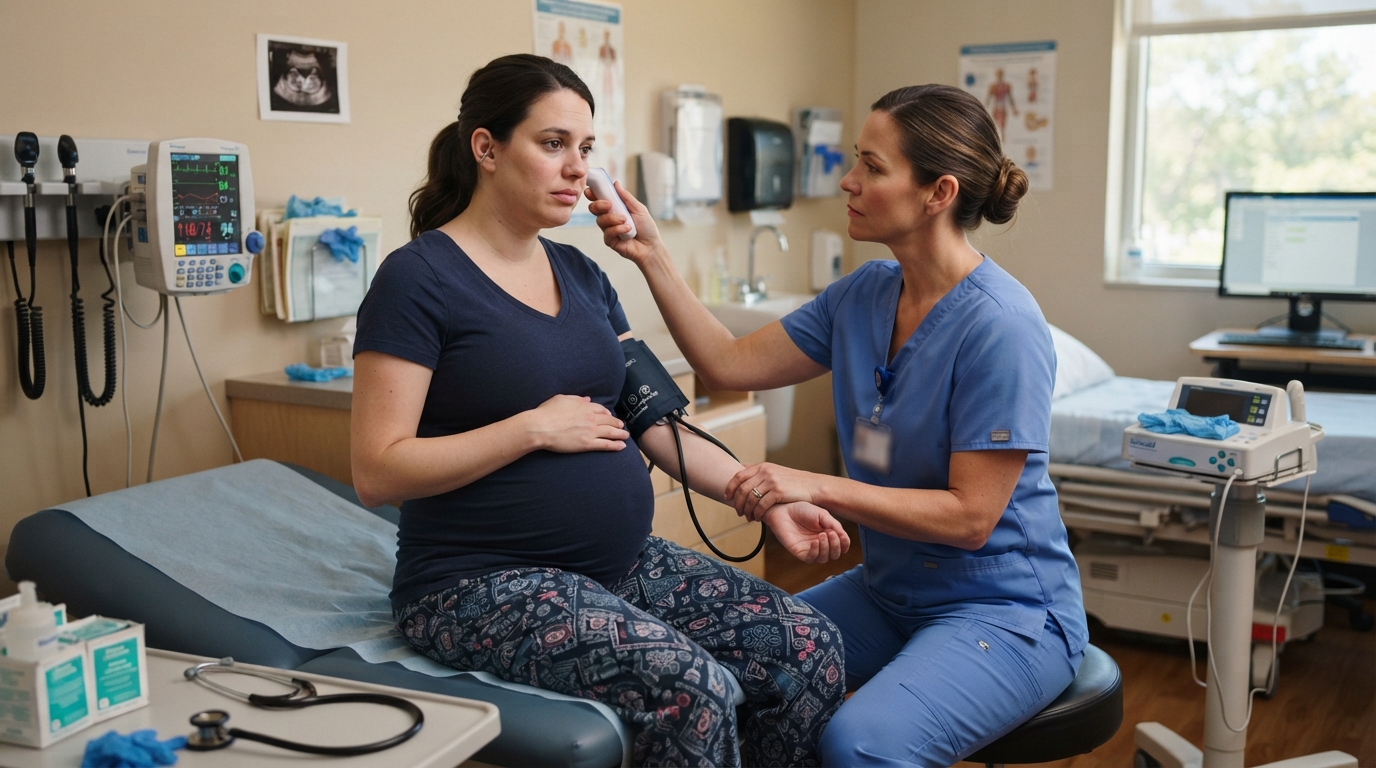
Many pregnancy symptoms are common and harmless. Fatigue, mild nausea, occasional aches, and feeling warmer than usual can happen during an otherwise healthy pregnancy.
Sepsis is different because it is associated with an infection and a serious whole-body response.
A person may become very sick quickly. Symptoms can also overlap with other conditions, which means self-diagnosis is not reliable.
Your care team may need to check your temperature, blood pressure, heart rate, breathing, laboratory tests, and other information to understand what is happening.
Fever Can Matter, but It Is Not the Only Warning Sign
Fever is one symptom people commonly associate with infection, but it should not be the only thing you watch.
The CDC lists a temperature of 100.4°F, or 38°C, or higher among urgent maternal warning signs during pregnancy and the postpartum period.
However, someone who is very unwell may have other concerning symptoms too. Severe weakness, confusion, trouble breathing, persistent dizziness, or a fast heartbeat can all deserve prompt assessment depending on the situation.
If you have a fever during pregnancy, call your healthcare provider for guidance. Seek urgent or emergency care when symptoms are severe, rapidly worsening, or accompanied by other warning signs.
If you are still early in pregnancy and organizing your care, our first prenatal visit checklist can help you prepare questions about after-hours contact, medications, fever, and symptoms that should prompt a call.
Fast Heart Rate, Breathing Changes, or Confusion Need Attention
Pregnancy naturally changes circulation and breathing. That can make ordinary activities feel different as your body adapts.
Still, suddenly feeling unable to catch your breath, becoming confused or disoriented, fainting, or feeling dramatically worse should not be dismissed as a normal pregnancy inconvenience.
The CDC’s urgent maternal warning-sign guidance includes trouble breathing, dizziness or fainting, chest pain or a fast-beating heart, fever, and other serious symptoms that require prompt care.
You do not need to decide whether those symptoms are caused by sepsis before seeking help.
Tell the medical team that you are pregnant or recently gave birth. Describe when the symptoms began, whether you have had a fever, and whether you recently had an infection, medical procedure, delivery, or other health concern.
Clear information can help the care team understand the situation faster.
Know the Symptoms That Should Not Be Quietly Watched at Home
Pregnancy can make people very aware of every physical change. That awareness can be useful without turning into constant worry.
Think of urgent warning signs as a short list that helps you know when everyday self-care is no longer enough.
According to the CDC, urgent maternal signs include a severe headache that will not go away, changes in vision, fever, trouble breathing, chest pain or a fast heartbeat, severe belly pain, severe nausea and vomiting, severe swelling, heavy bleeding, fainting, and significant changes in a baby’s movement during pregnancy.
Several conditions besides sepsis can cause these symptoms. That is exactly why medical assessment matters.
Postpartum Symptoms Count Too
Awareness should continue after your baby arrives.
It is easy to expect exhaustion, soreness, sleep disruption, and emotional changes during the early postpartum weeks. Yet serious complications can also occur after delivery.
Contact your healthcare provider when something feels unusual or concerning. Seek urgent help for severe warning signs rather than assuming they are simply part of postpartum recovery.
Heavy bleeding, difficulty breathing, fainting, fever, severe pain, worsening illness, confusion, or feeling extremely unwell deserve attention.
Postpartum infections can develop after vaginal delivery or cesarean birth, and infections can also begin elsewhere in the body.
This does not mean every fever after birth is sepsis. It means fever or worsening illness should be discussed with a healthcare professional instead of diagnosed at home.
Emotional symptoms also matter. If anxiety, sadness, or exhaustion becomes overwhelming, speak with your care team. Our pregnancy mental health check-in plan offers a gentle way to organize concerns and support before and after appointments.
How to Prepare for Maternal Sepsis and Other Urgent Pregnancy Symptoms

No one can create a perfect plan for every possible health problem during pregnancy.
A small amount of preparation can still make stressful moments easier.
Know which healthcare number to call during office hours. Ask what to do at night or on weekends. Save the address of the hospital your care team recommends for pregnancy-related emergencies.
If you live with a partner, family member, or roommate, share this information with them too.
Build a Simple Pregnancy Emergency Plan Before You Need It
Your plan does not need to be complicated.
Keep your provider’s phone number in your favorites. Save your insurance information, medication list, allergies, due date, and basic pregnancy details where you can find them quickly.
Tell someone close to you which symptoms your healthcare provider has asked you to take seriously.
It can also help to keep a short note on your phone with current medications and recent health concerns. That is often easier than trying to remember everything when you feel sick.
If you like digital tools, our guide to pregnancy apps in 2026 explains how to track useful information without turning every symptom into something you need to monitor constantly.
Keep Emergency Information Simple and Easy to Find
A useful emergency note might include your full name, date of birth, pregnancy week or recent delivery date, healthcare provider, medications, allergies, and emergency contact.
You can also write down major recent events such as a cesarean delivery, urinary infection, wound concern, or other condition your provider is monitoring.
Do not delay emergency care while trying to create a perfect symptom record.
If you feel severely ill, have difficulty breathing, faint, become confused, experience heavy bleeding, develop severe pain, or have another urgent maternal warning sign, seek medical care promptly.
Heat and dehydration can sometimes create symptoms such as dizziness, weakness, or a fast heartbeat that overlap with other health concerns. Our pregnancy heat safety guide explains ways to plan for hydration and hot-weather comfort while still recognizing when symptoms need medical attention.
Most importantly, give yourself permission to call your care team when you are unsure.
You are not expected to diagnose an infection, preeclampsia, a blood clot, sepsis, or another complication on your own.
Your role is to notice when something feels wrong and communicate clearly. The healthcare team’s role is to evaluate what those symptoms mean.
You can review the CDC’s current information through its sepsis resources for pregnant and postpartum women.
The CDC also encourages pregnant and postpartum women to speak up when something does not feel right. That message is worth remembering even when symptoms seem difficult to describe.
You might say, “This feels different from my normal pregnancy symptoms,” or “I am getting worse instead of better.” Simple language can still communicate urgency.
Learning about maternal sepsis in pregnancy is not about expecting something bad to happen.
It is about knowing that infections occasionally become serious and that early medical attention matters when symptoms are concerning.
Keep your provider’s contact information nearby. Know a few urgent warning signs. Let a support person know your plan. Ask questions during prenatal appointments.
Then allow the information to do what it is meant to do: help you respond when necessary without making every ordinary pregnancy symptom feel frightening.
This article is for general educational purposes only and is not medical advice. Sepsis is a medical emergency and cannot be diagnosed from symptoms alone. If you are pregnant or recently gave birth and have severe, rapidly worsening, or urgent maternal warning signs, seek immediate medical care or emergency assistance.