
Prenatal nutrition in pregnancy is one of the most searched and talked-about topics for expecting mothers in 2026. It makes sense. Food suddenly feels more important, but also more confusing. One day you may want fresh fruit and eggs, and the next day the smell of everything makes you feel sick. Add prenatal vitamins, food safety rules, cravings, nausea, fatigue, and online advice, and it can quickly become overwhelming.
The good news is that prenatal nutrition in pregnancy does not have to mean perfect meals or complicated tracking. It can be built around a few simple habits: eating enough when you can, choosing nutrient-rich foods most of the time, drinking water, asking your provider about supplements, and keeping realistic snacks nearby. This guide is not medical advice. It is a gentle lifestyle guide to help you understand the nutrients people are talking about most right now, especially choline, DHA, iron, and folate.
If you are early in pregnancy, bring nutrition questions to your next appointment. Our first prenatal visit checklist can help you remember what to ask before the appointment starts to feel rushed.
Why Prenatal Nutrition in Pregnancy Feels Bigger in 2026
Pregnancy nutrition used to be discussed mostly as “take a prenatal vitamin and avoid unsafe foods.” Those things still matter, but the conversation has expanded. More expecting mothers now hear about choline for fetal brain development, DHA for brain and eye support, iron for increased blood volume, folate for early development, iodine for thyroid function, and vitamin D for general health. That is useful information, but it can also make moms feel like they need to become nutrition experts overnight.
The better approach is to think in patterns, not perfection. A prenatal vitamin may help fill gaps, but it does not replace meals. A balanced meal may include protein, fiber-rich carbohydrates, healthy fats, color from fruits or vegetables, and fluid. A balanced day may include one strong meal, two simple snacks, and something easy when nausea or tiredness hits. Some days will look better than others, and that is normal.
For a deeper nutrient overview, the National Institutes of Health Office of Dietary Supplements has a detailed pregnancy fact sheet here: NIH pregnancy dietary supplement fact sheet.
Choline Is Getting More Attention
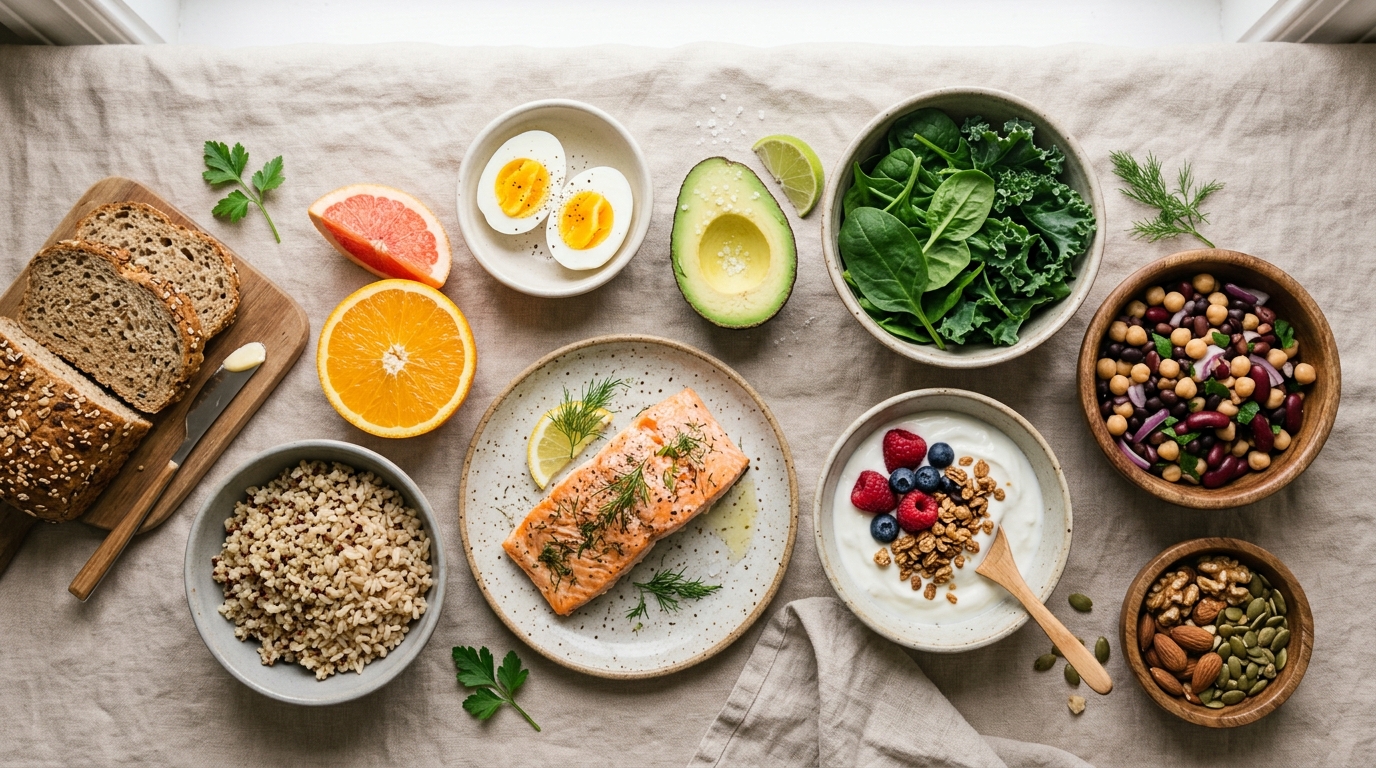
Choline is one of the biggest prenatal nutrition topics right now because many people did not grow up hearing much about it. It supports normal body functions and is especially discussed during pregnancy because of its role in fetal development. Food sources can include eggs, meat, poultry, fish, dairy, soy foods, beans, cruciferous vegetables, nuts, seeds, and whole grains.
Many expecting mothers assume every prenatal vitamin covers everything, but that is not always true. Some prenatal vitamins contain little or no choline, which is why food planning matters. That does not mean you need to panic or buy every supplement you see online. It means you should read labels, ask your provider what is appropriate for you, and build meals around foods you can actually tolerate.
Simple choline-friendly ideas
If eggs sit well with your stomach, they can be an easy choline-friendly breakfast. If not, try other options such as chicken, yogurt, soy foods, beans, or whole grain meals. A simple plate might be scrambled eggs with toast and fruit, chicken rice bowl with vegetables, or yogurt with nuts and berries. The point is not to chase one perfect food. The point is to create repeatable meals that support prenatal nutrition in pregnancy without making your day harder.
DHA and Lower-Mercury Seafood Matter Too
DHA is an omega-3 fat often discussed for fetal brain and eye development. One common source is seafood, but pregnancy adds an important safety layer: choosing lower-mercury options. The FDA recommends that pregnant or breastfeeding people eat 8 to 12 ounces per week of a variety of seafood from lower-mercury choices. Helpful options may include salmon, sardines, trout, anchovies, tilapia, cod, shrimp, and other choices listed in FDA guidance.
If you do not eat fish, ask your provider about alternatives. Some people use DHA supplements, but supplement type and dose should be discussed with a professional, especially if you already take a prenatal vitamin or have dietary restrictions. This is also where tracking can help. You do not need to log every bite, but saving notes about meals, nausea triggers, or supplement questions may make appointments easier. For a softer approach to tracking, read our guide to pregnancy apps in 2026.
Keep seafood choices simple
You do not need a fancy seafood routine. Try salmon once or twice a week, shrimp with rice and vegetables, sardines on toast if you like them, or a simple tuna alternative that fits current low-mercury guidance. Avoid high-mercury fish, and always follow food safety advice for pregnancy. When in doubt, ask your provider or check the FDA fish guidance before adding something new.
How to Make Pregnancy Food Planning Easier
The hardest part of prenatal nutrition in pregnancy is often not knowledge. It is real life. You may be tired. Maybe working. You may be nauseous. You may have food aversions. Maybe trying to cook for a family while nothing sounds good. A realistic food plan should help you, not shame you.
Start with a small list of safe, repeatable meals. Choose two breakfasts, two lunches, two dinners, and three snacks that feel doable. Keep them flexible. If a full meal feels impossible, try smaller portions more often. If cooking smells bother you, use cold meals, simple sandwiches with pregnancy-safe ingredients, yogurt bowls, smoothies, oatmeal, fruit, crackers, nut butter, or leftovers that do not require much effort.
Iron and Folate Deserve a Place on the Plate

Iron needs increase during pregnancy because the body makes more blood. Low iron can leave some people feeling more tired, weak, dizzy, or short of breath, though only a provider can diagnose deficiency or anemia. Iron-rich foods include lean meats, poultry, fish, beans, lentils, tofu, spinach, fortified cereals, and dried fruit. Pairing plant-based iron foods with vitamin C foods, such as citrus, strawberries, tomatoes, or bell peppers, can help support absorption.
Folate and folic acid are also central to prenatal nutrition in pregnancy, especially early on. Many people take folic acid before pregnancy or in early pregnancy because it helps reduce the risk of neural tube defects. Food sources of folate include leafy greens, beans, lentils, asparagus, avocado, citrus, and fortified grains. If you are unsure whether your prenatal vitamin has the right amount, bring the bottle to your appointment and ask.
Plan snacks before hunger gets dramatic
Pregnancy hunger can go from manageable to urgent fast. Keep simple snacks ready: cheese and crackers, fruit with nut butter, yogurt, boiled eggs, trail mix, hummus with pita, oatmeal, smoothies, or fortified cereal. Snacks are not just extra food. They can help steady energy, reduce the feeling of being suddenly starving, and make it easier to get nutrients when full meals feel too big.
Connect food planning with rest
Food and rest are connected. When you are exhausted, it is harder to plan meals. When you are underfed, it can be harder to feel settled. Try preparing one easy snack station near your bed or favorite chair, especially if mornings are rough. For more comfort support, our pregnancy sleep comfort guide can help you build a softer evening routine.
It may also help to think ahead to recovery. The fourth trimester can bring hunger, healing, breastfeeding or formula-feeding routines, visitors, and less sleep. Simple freezer meals, grocery lists, and snack baskets can make the transition easier. Our fourth trimester plan before baby arrives is a helpful next read.
Final thought: prenatal nutrition in pregnancy should support you, not scare you. Focus on simple meals, nutrient-rich patterns, hydration, safe food choices, and honest conversations with your provider. You do not need to eat perfectly to care deeply for your baby and yourself. You only need a realistic plan that works for the body, appetite, budget, and season you are living in right now.