
Pregnancy apps in 2026 are everywhere. They can show weekly baby growth, help track symptoms, remind you about appointments, suggest questions for your provider, and keep small memories in one place. For many expecting mothers, that can feel helpful and reassuring. But for others, it can become one more thing to check, compare, or worry about.
The truth is simple: a pregnancy app should support your journey, not take over your peace. Pregnancy already comes with enough changes, questions, and emotions. A digital tool can be useful when it helps you feel organized, informed, and gently connected to your body. It becomes less useful when it makes every symptom feel urgent or every week feel like a performance.
At Preggers n Proud, the heart of pregnancy content is comfort, confidence, and ordinary moments. That is the best way to approach pregnancy tracking too. You do not need to use every feature. You do not need to record every tiny detail. You can use technology in a softer way that fits your real life.
This guide is not medical advice. It is a practical lifestyle guide for expecting mothers who want to use pregnancy apps with calm, balance, and better boundaries.
Why Pregnancy Apps Are Trending in 2026
Pregnancy apps continue to trend because modern moms want quick, organized, and easy-to-understand support. Instead of searching online every time a new question appears, many apps gather weekly updates, reminders, notes, symptom logs, and educational articles in one place. That convenience is a big reason digital pregnancy tools feel so appealing.
Another reason is emotional connection. Many expecting mothers enjoy seeing how pregnancy changes week by week. A simple update about baby’s size, movement, or development can make the experience feel more real, especially in the early months when the bump may not yet be obvious. For some, the app becomes a small daily ritual: open it, read the update, smile, and continue the day.
There is also a practical side. Pregnancy can involve appointments, vitamins, questions, changes in sleep, food preferences, movement, moods, and preparation for birth. A simple tracker can help keep those details from floating around in your mind all day. If you already like journaling, planning, or organizing, a pregnancy app can feel like a helpful companion.
Still, the most important thing to remember is that an app is only a tool. It should never replace personalized guidance from a doctor, midwife, or qualified health professional. For reliable pregnancy care information, you can also visit trusted medical organizations such as the American College of Obstetricians and Gynecologists.
Digital tools are helpful, but they should stay in their lane
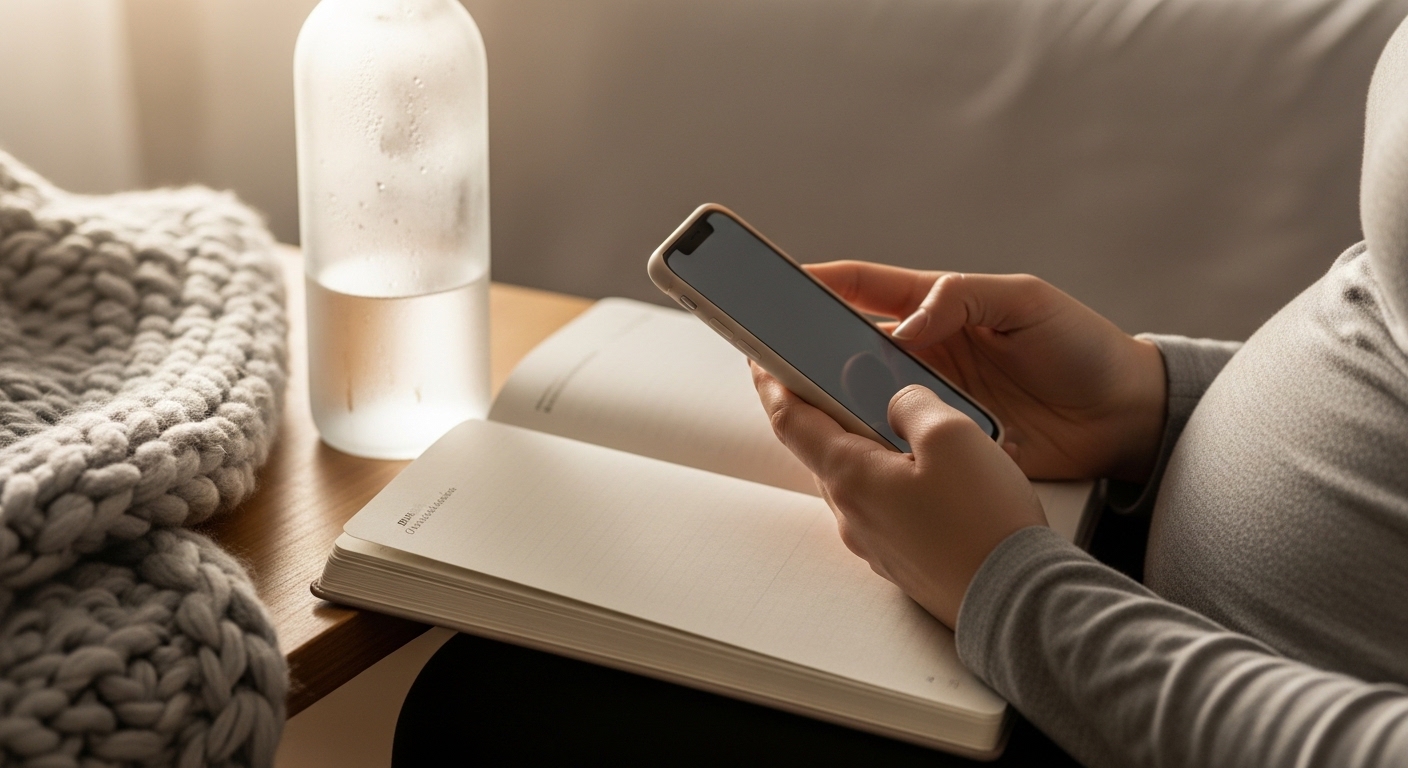
The best way to use pregnancy technology is to give it a clear role. It can help you remember, reflect, and prepare. It can help you notice patterns, save questions, and feel a little more organized. What it should not do is make you diagnose yourself, compare your body to everyone else, or panic over every small change.
Pregnancy is personal. No app can fully understand your medical history, your provider’s advice, your lifestyle, or how your body feels today. That is why the healthiest approach is to let the app support your awareness while your care team supports your health decisions.
Use the app as a notebook, not a doctor
Think of your pregnancy app as a digital notebook. Use it to write down questions before appointments. Track symptoms that you want to discuss. Save notes about sleep, cravings, mood, or energy. Record beautiful little memories, like the first flutter or the day you finally felt comfortable in a favorite outfit again.
This approach keeps the app useful without giving it too much power. Instead of opening it to search for worst-case answers, you are using it to collect details that can help you communicate better with your provider. That is a calmer and more practical way to track your pregnancy.
For example, if you are struggling with bedtime discomfort, you might save a note about what makes sleep harder or easier. Then you can pair that with gentle lifestyle changes from posts like Pregnancy Sleep Comfort in 2026.
Choose features that support calm, not pressure
Many apps offer more features than one person truly needs. Some include daily updates, countdowns, weight logs, kick counters, contraction timers, shopping lists, community groups, registry tools, appointment reminders, and product recommendations. That can be helpful, but it can also feel noisy.
Before using everything, ask yourself which features actually make pregnancy feel easier. Maybe you only need weekly baby updates, a place for questions, and appointment reminders. Maybe you enjoy journaling but do not want constant notifications. Maybe community forums make you anxious, so you avoid them. That is completely fine.
A simple setup is often better than a busy one. You are allowed to make the app quieter.
What to look for before downloading one
Not all pregnancy apps feel the same. Some are calm and educational. Others are full of ads, pop-ups, product pushes, and dramatic headlines. Before choosing one, take a few minutes to look at how it presents information. Does it feel supportive? Does it explain where health content comes from? Does it make privacy settings clear? Does it allow you to turn off notifications?
The right app should feel easy to use. You should not need to fight through confusing screens just to find your weekly update or appointment note. It should also respect that pregnancy is emotional. A good app does not make you feel behind, inadequate, or pressured to buy everything.
Look for clear language, gentle reminders, and settings you can control. If the app includes health education, check whether it uses credible medical sources or expert review. If it includes community features, notice whether the conversations make you feel supported or overwhelmed.
Privacy, sources, and simple reminders matter
Privacy matters because pregnancy information is personal. Before entering sensitive details, review the app’s privacy policy and settings. You do not need to understand every technical word, but you should have a basic idea of what data is collected, how it may be used, and whether you can adjust permissions.
Sources matter too. A pregnancy app should not rely only on vague tips or fear-based content. It should guide you toward reliable information and remind you to contact your care provider for specific concerns.
Finally, simple reminders can be very useful. Appointment reminders, question lists, hydration notes, or gentle weekly prompts can reduce mental clutter. The key is choosing reminders that help your day instead of interrupting it.
A Gentle Way to Use Pregnancy Tracking Every Week
The easiest way to avoid digital overwhelm is to create a small weekly rhythm. Instead of checking the app many times a day, choose a simple time to use it. Maybe Sunday evening becomes your pregnancy check-in. Maybe Monday morning is when you read the new weekly update. Maybe you open the app after an appointment to save notes while they are still fresh.
This turns the app into a routine rather than a constant distraction. You are not tracking because you are anxious. You are tracking because you want to feel prepared and connected.
A weekly check-in can include three simple questions: What changed this week? What do I want to ask at my next appointment? What would make me feel more comfortable in the days ahead? These questions keep the focus on real life, not perfection.
You can also use your app alongside other gentle pregnancy habits. If your body is changing quickly and your clothes are starting to feel uncomfortable, save a note to review your closet and read Building a Small Maternity Wardrobe That Grows With You. If you are thinking ahead to the newborn stage, you can start saving visitor preferences and connect that with How to Politely Set Boundaries with Postpartum Visitors.
Build a routine that supports real life

A pregnancy tracking routine should feel flexible. Some weeks you may feel excited to write notes and save memories. Other weeks you may be tired, busy, emotional, or simply not interested. That does not mean you are doing anything wrong. Pregnancy is not a school assignment. You do not need a perfect record of every day.
Try using the app for what matters most to you. If you love memories, use it like a digital scrapbook. If you are practical, use it for appointments and questions. If you are anxious, keep the app minimal and avoid features that make you spiral. If you are a first-time mom, use weekly updates to understand the general flow of pregnancy while still remembering that every body is different.
The best pregnancy tools are the ones that fit into your life quietly. They should not make your day feel more crowded.
Keep your check-ins short
A five-minute check-in is enough. Read the weekly update. Add one or two notes. Save any question for your provider. Then close the app and return to your day. This simple boundary can protect your peace, especially if you tend to over-research.
You can also turn off nonessential notifications. Not every reminder deserves your attention. Keep the ones that genuinely help, and remove the ones that make pregnancy feel like a constant task list.
Another helpful habit is to avoid opening the app late at night if it leads to worry. Bedtime is for rest, not endless scrolling through symptoms, forums, and product lists. If something is truly concerning, follow your provider’s instructions for getting medical advice. If it is not urgent, write the question down and bring it to your next appointment.
Pregnancy apps in 2026 can be useful, comforting, and even fun when used with balance. They can help you notice changes, prepare questions, and collect memories from a meaningful season of life. But they should never make you feel monitored, judged, or overwhelmed.
Let your app be a helper, not the boss of your pregnancy. Use what supports you. Ignore what adds noise. Trust your care team for medical guidance. Trust yourself to know when you need quiet. Pregnancy is already full of change, and the best digital tools are the ones that make that change feel a little easier to carry.